
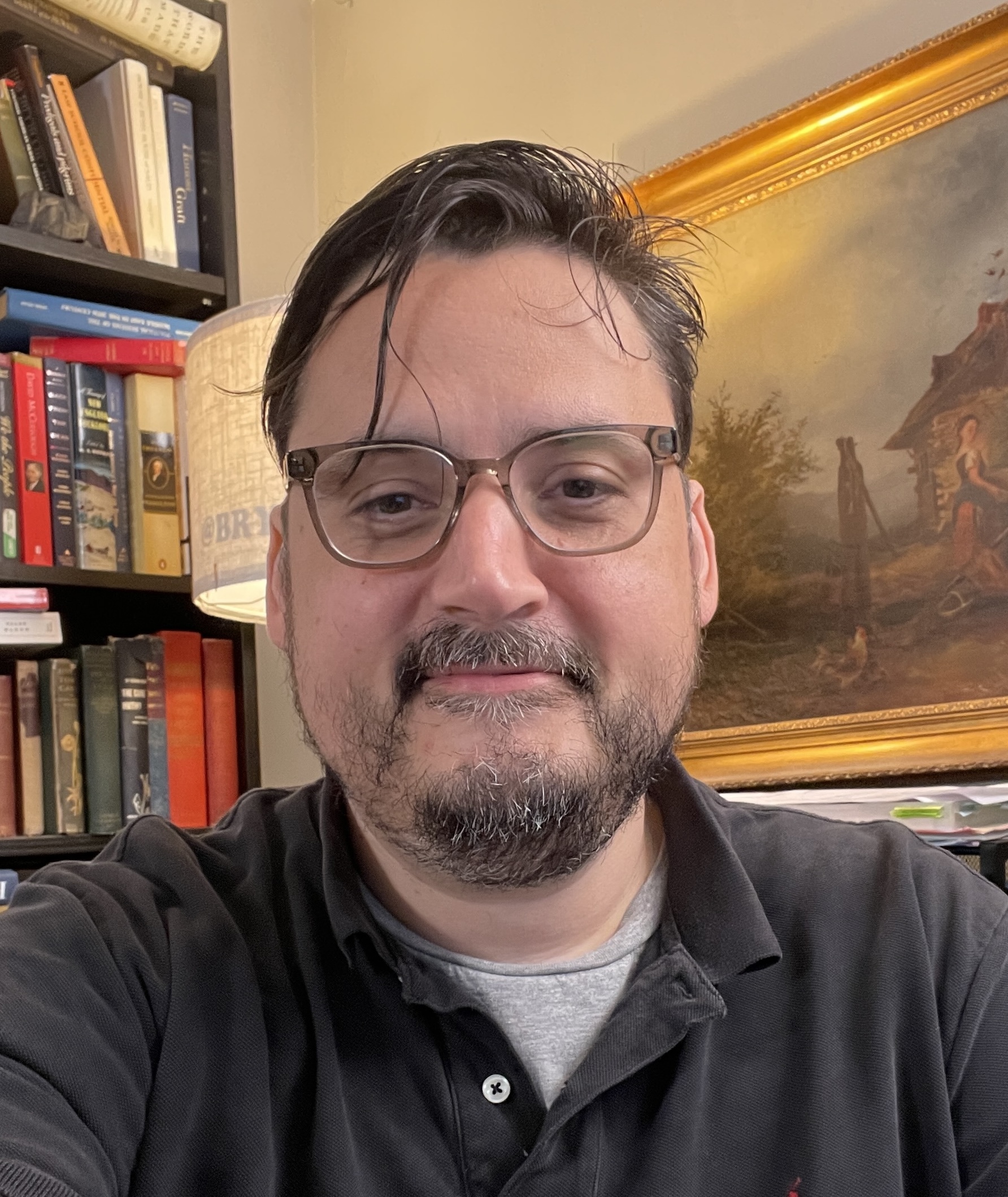
Media Kit & Press Resources
BrynoDC
Washington, D.C. · Attorney & Independent Federal Courts Journalist
Press inquiries: brynodc@gmail.com · brynodc.com
The Pitch
BrynoDC is a Washington D.C. attorney running an ongoing seminar in constitutional law - using live federal litigation as the textbook. He covers what courts are actually doing: the procedural posture, the legal standard, the specific question being decided - in language a non-lawyer can follow and a lawyer would recognize as accurate.
His organizing premise: most legal coverage skips the parts that determine outcomes. He covers those parts. He explains the mechanism. He does not pick sides. He makes law legible in real time, from a consistent editorial position.
Why Book BrynoDC
- Explains the procedure, not just the politics. Most legal commentators jump to outcomes. Bryan explains the mechanism - what the standard is, why it matters, what the court is actually deciding.
- Audience that stays. 4 minutes 52 seconds average watch time on legal explainer content. News and commentary benchmarks around 3 minutes. His audience doesn't bounce - it engages with substantive material.
- Hedges accurately. He distinguishes between what the law says (stated confidently) and what a court will do (stated with calibrated uncertainty). Producers do not have to clean up overclaims.
- Independent voice. No network, no firm, no byline to protect. He calls the procedural posture as he reads it.
- Washington, D.C. based. Available for same-day turnaround on breaking federal-courts news.
Bio
BrynoDC is a Washington D.C.-based attorney and independent legal journalist who covers federal courts, the Supreme Court, and complex civil litigation. His work is grounded in a single premise: civic engagement requires civic understanding, and most legal coverage skips the procedural and structural detail that actually determines outcomes.
His Morning Report newsletter, YouTube channel, and TikTok (@brynodc) break down federal litigation in language a non-lawyer can follow and a lawyer would recognize as accurate. He covers what courts are actually doing: the standards, the posture, the stakes. He does not pick sides on outcomes. He explains the mechanism.
He is based in Washington, D.C., and covers the federal courts as an independent voice.
Available Topics
- How federal courts issue and review preliminary injunctions
- What SCOTUS oral argument actually signals - and what it does not
- Reading a federal complaint: what plaintiffs are actually asking for
- The Trump-era litigation landscape: a structural overview
- Civil procedure as civic education: why procedural rules determine political outcomes
- How courts handle emergency stays and appeals
- Additional case-specific angles available on request